
Electromagnetic Locks
THE RELIABLE, LONG-LASTING CHOICE IN FAILSAFE SECURITY
Electromagnetic locks are highly reliable and long-lasting compared to other electric locking devices because there are no moving parts involved in their operation. Life safety reliability is ensured because there is no mechanism that can cause sticking or binding.
Prefer print?
Download White Paper PDF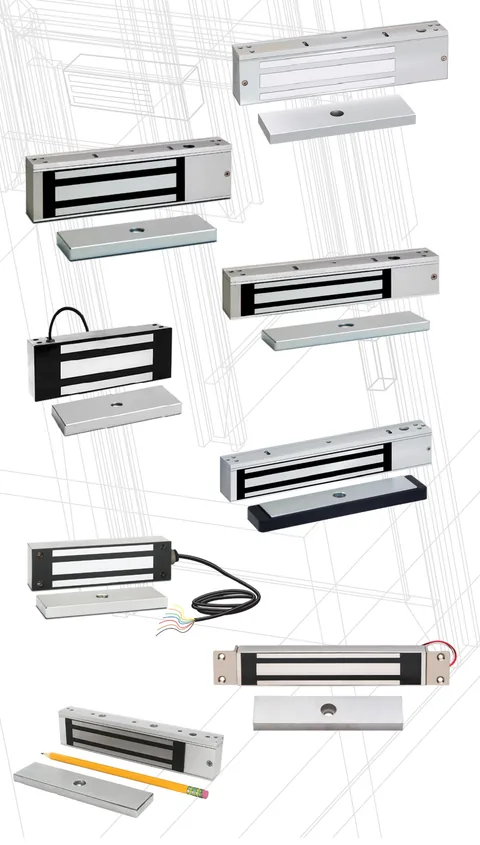
The versatility of electromagnetic locks allows them to be used almost anywhere electric strikes and electric bolt locks are used, but with these feature advantages:
- Cost effective retrofit installations
- Durability – no moving parts
- Voltage tolerance
- Minimal maintenance
- Adaptable to door misalignment
Table of Contents
How Electromagnetic Locks Came into Existence
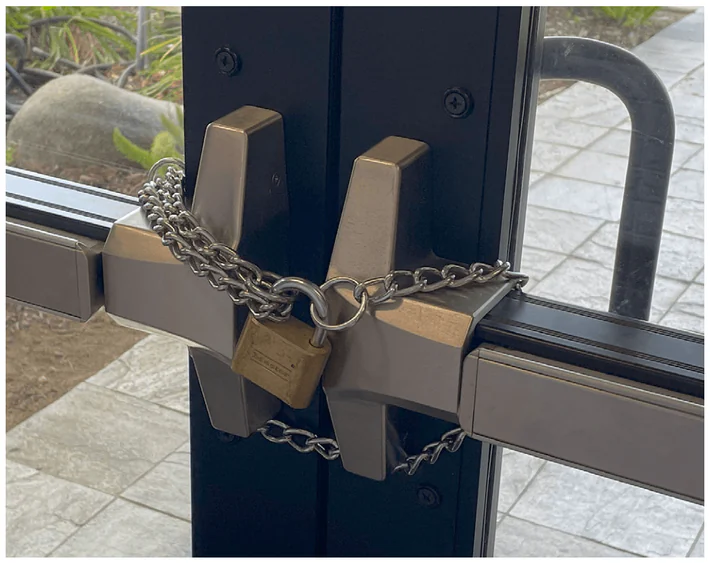
Prior to the 1970's it was illegal to lock perimeter exit doors from the interior side. All that was permitted was an exit device to insure uninhibited egress at all times while locked on the exterior. This left facilities vulnerable to employee theft and also to breaking and entering by simply using a clothes hanger to unlock the exit device from the exterior. It was not uncommon to find exit devices on perimeter doors illegally chained and/or padlocked during certain times of the day or after hours.
1969
In 1969, our founder, Arthur V. Geringer, visited the California State Fire Marshal in Sacramento to discuss the creation of a failsafe bolt lock for perimeter doors to provide security and to automatically unlock when the power was removed, thereby allowing immediate egress in an emergency and maintaining fire life safety code compliance. He invented SDC's FS23 Series electric bolt lock in 1971 – the world's first failsafe electric lock for after-hours locking of perimeter doors – and patented the design in 1972. With patent and approval of the Fire Marshal in hand, SDC was founded and helped to usher in the modern era of electronic access control door hardware.
Also in 1969, Locknetics founder Irving Saphirstein designed the first electromagnetic lock that received approval for locking perimeter doors after business hours. Unlike an electromechanical lock, the electromagnetic lock had no moving parts to bind or wear, making it ideal for fire life safety applications that require the assurance of trouble-free release during normal operation, a power outage or by a signal from the fire life safety system.
However it took a while for this concept to be accepted by distributors for several reasons. It required a lot of current, had low holding force and required a special power supply to eliminate residual magnetism. Eventually improvements were made to eliminate these issues and several more companies, including SDC, began manufacturing electromagnetic locks.
Holding Force, Security and Application
Electromagnetic locks are appropriate for interior doors, perimeter exit doors and entrances that require failsafe emergency release capability. Depending on the level of security required they usually come in several levels of holding force. Electromagnetic shear locks are available in concealed, semi-concealed and surface mount models to provide high security with a failsafe locking mechanism for openings that require an architecturally superior appearance.
Types of Electromagnetic Locks
Traditional electromagnetic locks are exposed (surface mount), whereas electromagnetic shear locks may be concealed, semi-concealed or surface mounted. Regardless of the configuration, careful concern should be given to the choice of holding force and the need for battery back-up when using electromagnetic locks for many access control applications. Manufacturers provide many choices available in different holding force and design applications.
Holding Force and Security Level
| Holding Force | Mag Type | Security Level |
|---|---|---|
| 650 lbs | Traditional | Traffic Control |
| 1200 lbs | Traditional | Medium Security |
| 1650 lbs | Traditional | High Security |
| 2000 lbs | Shear | High Security |
| 2700 lbs | Shear | High Security |
Battery Backup
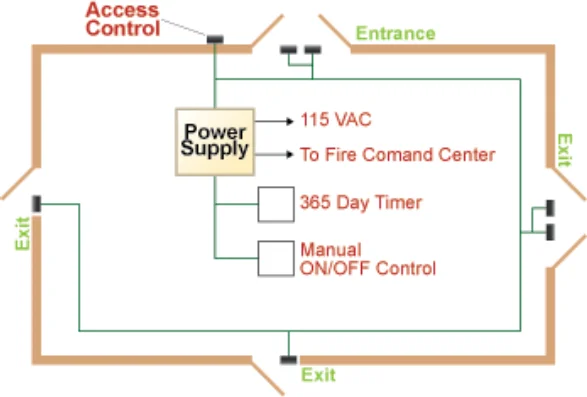
Battery backup is recommended to compensate for the inherent failsafe operation in applications with higher security requirements, particularly on interior doors. When installed on perimeter doors, building and safety codes require magnetic locks to release during a building power loss and signal from the life safety system command center.
Traditional Electromagnetic Lock Application
Traffic Control
Any magnetic lock with a holding force less than 1200lbs should only be used for traffic control, as would a light or medium duty electric strike. A holding force of 650lbs is typical for most magnetic locks fit for traffic control, as they may be easier to defeat. However, this is a benefit compared to the use of light duty electric strikes, as the electric strike may break when forced. A low holding force magnetic lock will release without damage and the door will simply relock when closed.
Medium Security
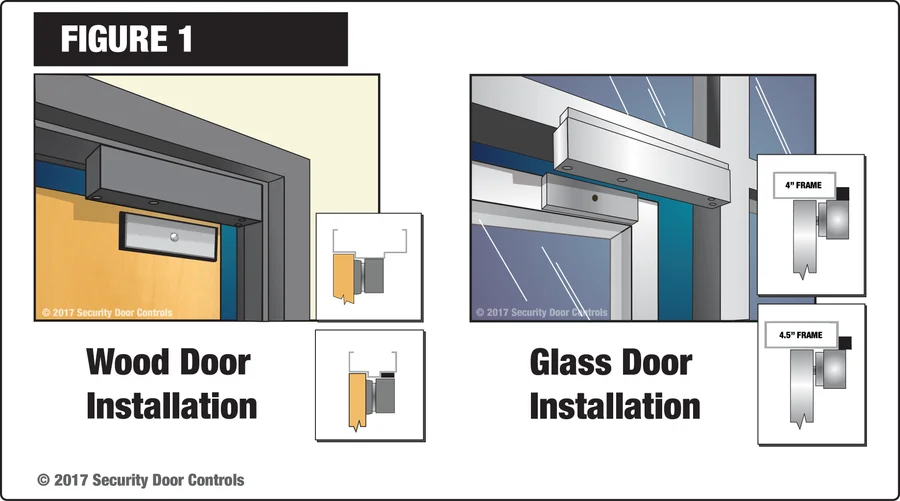
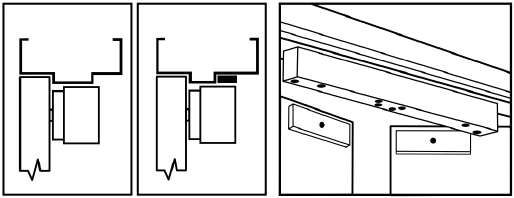
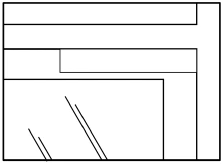
Magnetic locks mounted on an aluminum glass door are capable of providing medium security because the glass door is more likely to shatter before a lock with 1200 lbs. (see figure 1) of holding force will release. For this reason, a lock with 1200lbs of holding force is sufficient for aluminum and glass openings as well as many commercial interior installations where aggressive attacks are not expected.
High Security
It is important to note that the term "high security" is used only in the context of a failsafe magnetic door lock application, which cannot compare to the integrity provided by electromechanical locking devices, such as failsafe and failsecure electrified locksets, electric deadbolts or heavy-duty electric strikes.
For most commercial and industrial high security applications with Herculite glass doors or hollow metal frames with wood or hollow metal doors (see figure 1), an electromagnetic door lock with at least 1500lbs of holding force is recommended. When attacked with extreme force, these doors may not release, but may sustain damage.
While many installers may feel that 1200lbs of holding force is ample for any installation, it must be noted that when these locks are overcome with force, the door will simply close and relock, with no one the wiser about the security breach.
For example, in psychiatric facilities, aggressive patients have been known to force open doors equipped with 1200lbs holding force magnetic locks. It is not uncommon for some facilities to upgrade to a 1650lbs holding force electromagnetic lock after experiencing more than one breach.
Electromagnetic Shear Lock Application
Concealed Electromagnetic Shear Lock Application
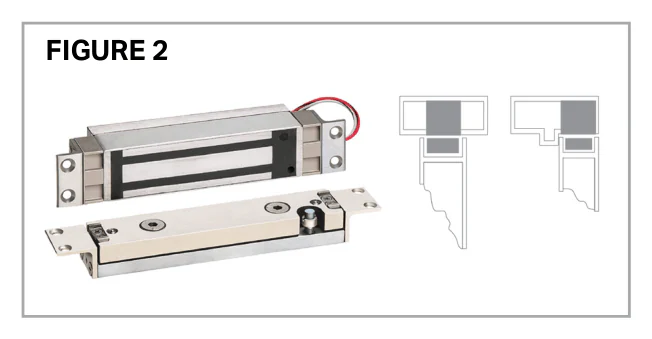
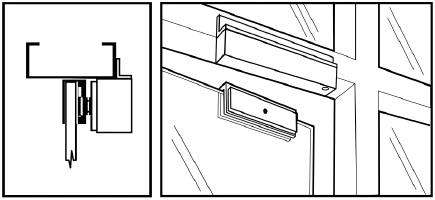
Concealed magnetic shear locks (see figure 2) are generally used for openings that require an architecturally superior appearance. When installed on openings with hollow metal frames and wood or hollow metal doors, a magnetic shear lock with a holding force of 2000lbs or more is capable of withstanding a force that will deform or destroy the door beyond repair before it is released.
Shear locks have more critical alignment issues than typical surface mount magnetic locks. A valuable tip for trouble free shear lock installation is the use of a Positive Centering or Heavy Duty door closer for double acting aluminum glass and Herculite doors. Standard duty double acting door closers may tend to swing back and forth before resting and eventually become misaligned, requiring frequent adjustment servicing. To eliminate this problem, the installation of a heavy duty closer causes the doors to quickly rest in the center position and greatly reduce service calls. This is something that can be installed easily by most locksmiths or door professionals.
Semi-Concealed Electromagnetic Shear Lock Application
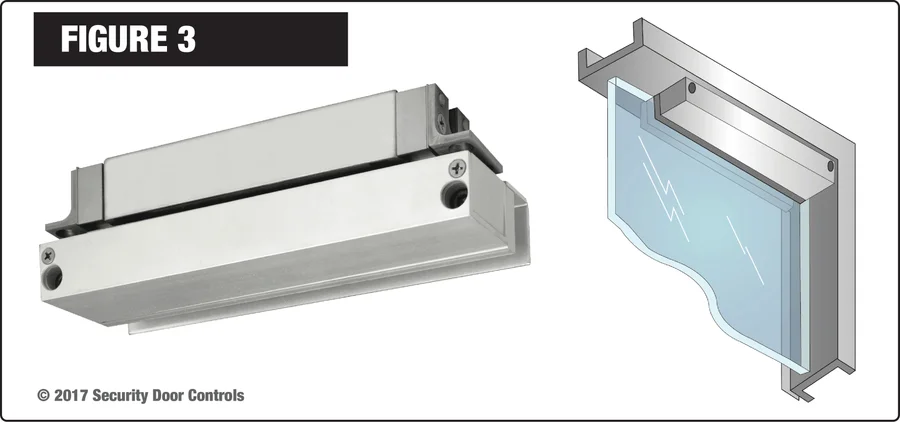
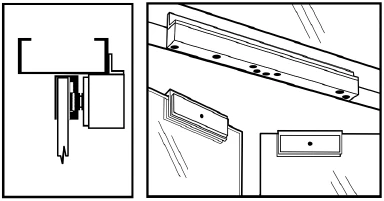
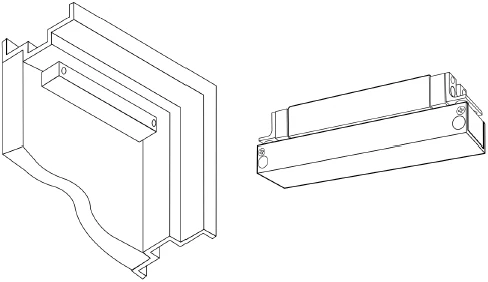
Semi-concealed magnetic shear locks (see figure 3) accommodate offset hung glass doors, plus they provide a high security alternative to standard surface mount magnetic locks when used on hollow metal frames with wood or hollow metal doors. At the same time, they still provide superior appearance while the magnet is concealed in the frame and only the small armature housing is surface mounted to the top of the door.
Surface Mount Electromagnetic Shear Lock Application
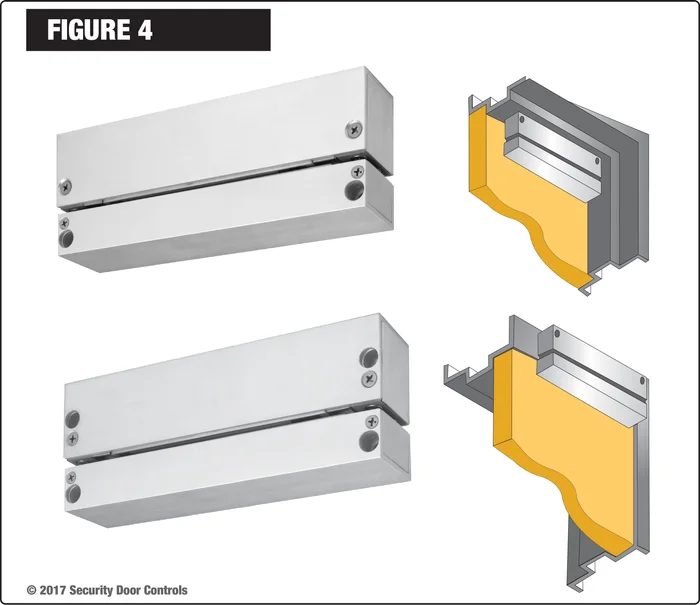
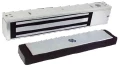
Almost half the size of a typical surface mount electromagnetic lock, surface mount magnetic shear locks (see figure 4) provide a higher level of security for glass doors or metal doors and frames.
Electromagnetic locks are virtually problem-free. Typically, problems arise right after installation. Ninety-five percent of the time, the problem is either improper voltage input or an improperly mounted armature. Be sure to follow the manufacturer's installation instructions and, in most cases, allow the armature to be free to float.
The overall benefits of electromagnetic locks versus other electric locking devices are that they allow fire safety requirements to be easily met while providing security and access control for a building's occupants. As always, consult the local Authority Having Jurisdiction (AHJ) for compliance requirements governing your door project.
SDC Electromagnetic Locks & Application Attributes
SDC's electromagnetic locks are suited for interior doors, perimeter exit doors and entrances that require failsafe emergency release capability. Our patented EMLock® design represents the pinnacle of magnetic lock evolution with modular assembly that makes them easy to stock, install, upgrade and maintain. The interlocking EZ mount assembly leaves hands free for wiring and securing of mounting screws. The Excel™ product line is an economically priced, fully featured alternative to low-cost imports with a quick mount assembly to reduce installation time. They provide a superior, less obtrusive appearance compared to stainless steel epoxy sealed magnetic locks. All SDC EMLocks® are compatible with any access control system and covered by a lifetime warranty. sdcsec.com/emags.
For more Electromagnetic Locks product information and resources, visit sdcsec.com/magforce.
Traditional Electromagnetic Locks
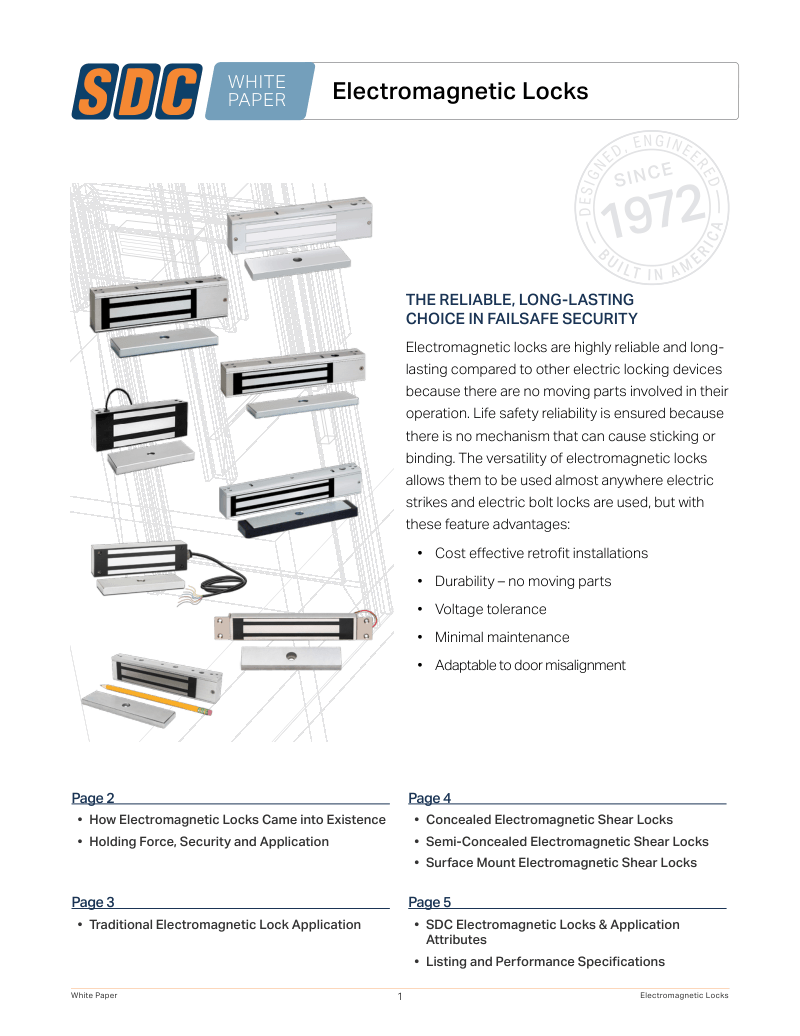
Our traditional, indoor failsafe magnetic locks include our premium EMLocks® product line models: 1510, 1570, and 1580 Series. Our Excel™ value line of economically priced magnetic locks includes the E1200 and the E600. The E6200 is an industrial electromagnetic lock – recommended for both interior doors and outdoor gates.
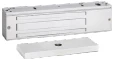
1571V
1581V
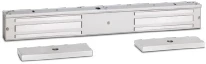
1572V
1582V

Premium EMLocks® have a variety of easy mounting features and do not require any special tools, nuts, screws or mounting hardware - making it possible for them to be installed by only one technician. They are also field upgradeable without removing them from the frame.
Application Attributes:
EMLock® 1510/1570/1580 Series
Aluminum Frame/Aluminum Door – aluminum frame glass doors utilizing angle brackets for push side mounting for either a single or double door
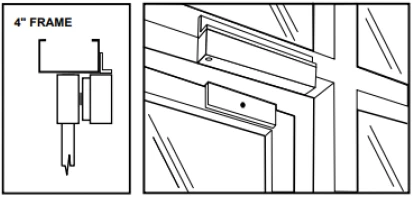
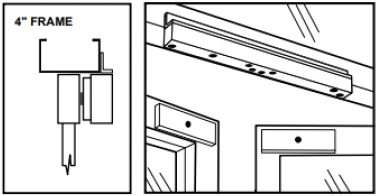
Hollow Metal Frame/Wood or Hollow Metal Door – a hollow metal frame with either a wood or hollow metal door would not need any additional hardware for push side mounting
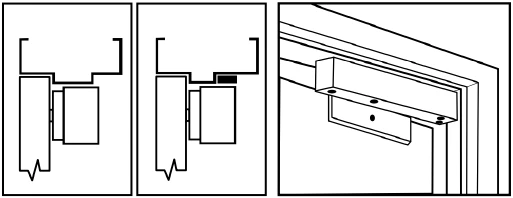
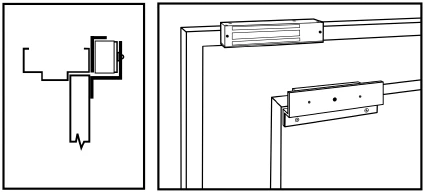
Hollow Metal or Aluminum Frame/Glass Door Without Top Rail – hollow metal or aluminum frame glass doors without a top rail would utilize our glass door mounting kits and angle brackets for push side mounting on a single (more common) or double door (less common)
Application Attributes:
Excel™ E1200/E600
- E1200 and E600 are economically priced alternatives to low-cost imports
- They offer quality and flexibility for commercial applications
Application Attributes:
E6200
- Weatherized, epoxy sealed stainless steel industrial housing for interior doors or outdoor gates
- Retrofits Securitron M62 and Locknetics 70
Traditional Electromagnetic Locks Specifications Summary
| 1510 | 1570 | 1580 | E1200 | E600 | E6200 | |
|---|---|---|---|---|---|---|
| Maglock Type | Standard | Standard | Standard | Standard | Standard | Standard |
| Trademark | EMLock® | EMLock® | EMLock® | Excel™ | Excel™ | ----- |
| Warranty | Lifetime | Lifetime | Lifetime | 5 Year | 5 Year | 5 Year |
| Holding Force | 1,650 lbs | 1,200 lbs | 650 lbs | 1,200 lbs | 600 lbs | 1,200 lbs |
| Single | 1511 | 1571 | 1581 | E1200 | E600 | E6200 |
| Double | 1512 | 1572 | 1582 | ----- | ----- | ----- |
| Monitoring | Optional or Field Upgrade Kits | Optional or Field Upgrade Kits | Optional | Standard | Standard | Standard |
Specialty Electromagnetic Locks
Our specialty electromagnetic locks are designed to meet a variety of application requirements including:
- High profile openings
- Pedestrian and vehicle gates
- Sliding or swinging doors
- Keyless security for drawers, cabinets, lockers
- Security in hazardous environments
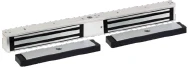
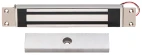
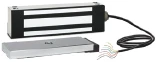
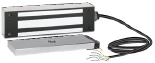
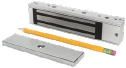
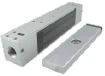
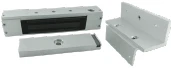
Application Attributes:
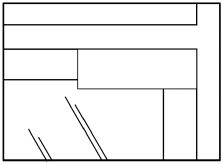
350 Series
- Narrow housing for narrow frames to maintain architectural appearance in high profile openings
- Narrow housing meets 6'8" height requirements for perimeter entrances on a 7'0" door
- Retrofits discontinued Locknetics 350+
Application Attributes:
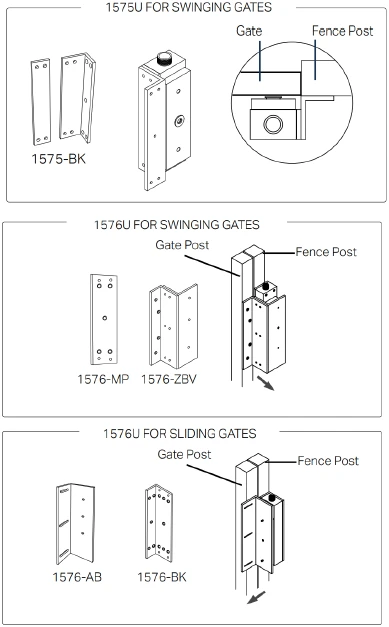
1575/1576 Series
- 1200lbs of holding force and enable the access and egress control of pedestrian and vehicle gates
- Compatible with manual and automatic, swinging and sliding, as well as tubular and iron gates
The use of a hydraulic gate closer is highly recommended for swing gate applications.
Application Attributes:
1590 Series
- For securing sliding or swinging, manual or automatic doors subject to high frequency use
- Compact lock in a small steel mortise case with 850lbs of holding power
Application Attributes:
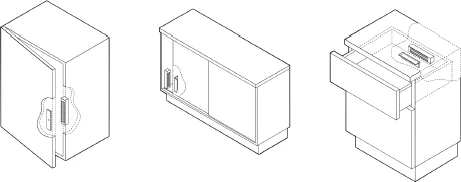
E300 Series
- Eliminate keys and expand the reach of access control systems to drawers, cabinets, and lockers
- Provides a connected access control solution with 300lbs of holding force
- Satisfy HIPAA Privacy rule requirements
Application Attributes:
EP17624 Series
- For applications where flammable vapors are cause for concern
- Hazardous locations class 1, division 2 - clean rooms, chemical plants and refineries
Specialty Electromagnetic Locks Specifications Summary
| 350 | 1590 | 1575 / 1576 | E300 | EP17624 | |
|---|---|---|---|---|---|
| Maglock Type | Specialty | Specialty | Specialty | Specialty | Specialty |
| Application | Narrow | Sliding Doors | Outdoor Gates | Cabinets | Hazardous |
| Weatherized | ----- | ----- | Yes | ----- | Explosion Proof |
| Holding Force | 1,200 lbs | 850 lbs | 1,200 lbs | 300 lbs | 600 lbs |
| Single | 350V | 1591U | 1575U, 1576U | E300 | EP17624, EP17624TJ |
| Double | 352V | ----- | ----- | ----- | ----- |
| Monitoring | Standard | Optional | Standard | Standard | Standard |
Electromagnetic Shear Locks
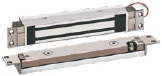
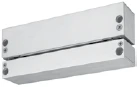
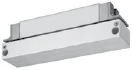
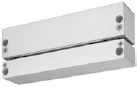
SDC's HiShear® electromagnetic shear locks are designed, engineered and built in America for openings that require an architecturally superior appearance. Long recognized as a cut above alternatives on the market, SDC HiShear® electromagnetic shear locks are available in concealed, semi-concealed and surface mount models. They provide high security with a failsafe locking mechanism to meet a variety of door opening applications using commercial grade hollow metal and wood doors, metal frames, and Herculite doors with top rails.
The patented HiShear® design incorporates a floating armature assembly and special alloy steel locking tabs on both the lock and armature assemblies, that may be adjusted both vertically and laterally to compensate for wide door gaps and warped or misaligned doors. Advanced electronic circuitry incorporates a door static, alignment and timed relock sensor as well as an automatic sensing dual voltage input. Noise dampeners greatly reduce the noise associated with locking and unlocking of other shear locks on the market. sdcsecurity.com/products/electromagnetic-shear-locks
Application Attributes:
HiShear® 1560 Series
- Fully concealed
- Available with 2000lbs or 2700lbs holding force
- For standard 1¾” to 2” frames with internal electronics, as well as narrow 1¼” to 1½” frames with external electronics
Application Attributes:
HiShear® 1562SC Series
- Concealed mortise magnet
- Surface mount armature
- Available with 2000lbs holding force
- 1562SC models concealed the magnet in the top rail and 1562SCHDB models incorporate Herculite door brackets to conceal the magnet in the frame when no top rail is present
1562SCV
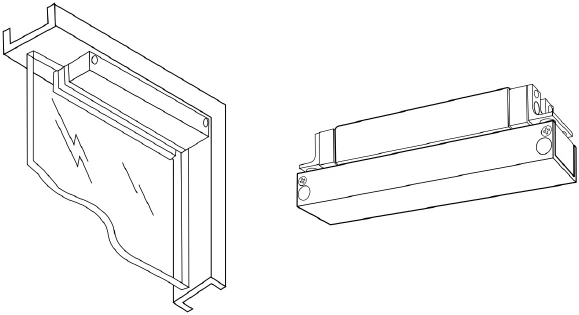
1562SCHDBV, 1562SCHDB3/4V
Application Attributes:
HiShear® 1561S/1561TJ Series
- Surface mount
- Available with 2000lbs holding force
- 1561S models for the push side of an outswing door or 1561TJ models for the pull side of an inswing door
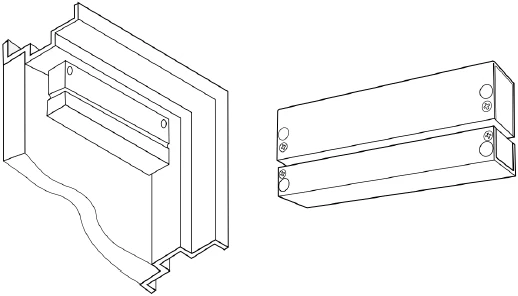
1561SV
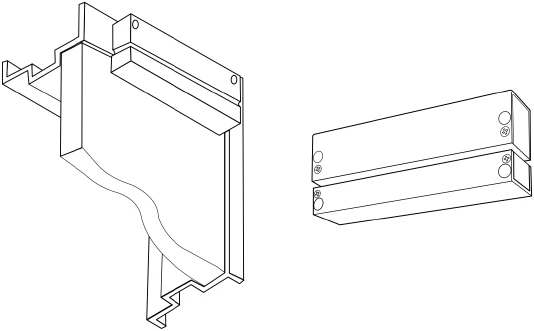
1561TJV
Electromagnetic Shear Locks Specifications Summary
| Series | 1560 | 1562SC | 1561S | 1561TJ |
|---|---|---|---|---|
| Trademark | HiShear® | HiShear® | HiShear® | HiShear® |
| Type | Concealed | Semi-Concealed | Surface | Surface Top Jamb |
| Integrated Electronics | 1561 1565 | ----- | 1561S | 1561TJ |
| External Electronics | 1562 1566 | 1562SC 1562SCHDB 1562SCHDB3/4 | ----- | ----- |
Listing and Performance Specifications
ABOUT ANSI AND BHMA
When choosing a quality electromagnetic door lock, look for the proper listing and performance specifications. The American National Standards Institute (ANSI) has adopted design and performance standards established by the Builders Hardware Manufacturers Association (BHMA).
ANSI/BHMA Standard A156.23 for Magnetic Locks
This standard details minimum mechanical, electrical and holding force requirements for magnetic locks. These rigorous standards also place electromagnetic door locks in three categories based on cycle performance capability. All SDC EMLocks® are ANSI/BHMA A156.23 Grade 1 Compliant.
- ANSI/BHMA Grade 1 – 1,000,000 Cycles (SDC)
- ANSI/BHMA Grade 2 – 500,000 Cycles
- ANSI/BHMA Grade 3 – 250,000 Cycles
BHMA Certification
The BHMA Certification indicates that the magnetic door lock complies with all ANSI and BHMA performance criteria, and that it has passed an independent static pull test, and a dynamic impact test for holding force. To maintain BHMA Certification, locks are periodically re-tested and evaluated by Intertek Laboratories to ensure they continue to meet ANSI/BHMA A156.23 and A156.5 standards. This is the only certification in the industry that verifies that the magnetic door lock design and holding force continues to meet ANSI/BHMA standards.

REQUIRED UL LISTINGS

The UL Listing confirms that the magnetic lock design is electrically safe and has been tested for the purpose the product was intended. All magnetic locks should meet the following applicable UL test requirements.
- UL Listed - GWXT Auxiliary Lock: Indicates the magnetic lock has been tested for electrical safety and the purpose for which it was intended.
- UL Listed – CVXJ Burglary Resistant Electrically Operated Door Lock: Look for this listing on all locks with 1200 lbs. or more holding force. This listing indicates that the lock has passed UL test criteria for tampering.
- UL 10C "Positive Pressure Compliant" and Classified in accordance with Uniform Building Code (UBC) "Fire Test for Door Assemblies": This verifies that the lock does not have negative impact on the integrity of fire rated openings. The description will be found on the official UL Listing Auxiliary Lock document.
Canadian Listing: The C preceding the listing symbol indicates that the product is also UL Listed for use in Canada.
The World of Difference Between UL 'Listed' and UL 'Recognized'
UL's Component Recognition Service covers the testing and evaluation of individual components that are incomplete or restricted in performance capabilities. These components will later be used in complete end-products or systems listed by UL. These UL recognized components are not intended for separate installation in the field, they are intended for use as components of complete equipment submitted for investigation and subsequent UL Listing.
US CITY AND STATE LISTINGS

MEA Listed: Required for the City of New York by the building department Materials & Equipment Acceptance Division.

California State Fire Marshal Listed
This listing is required for California installations. The State of California is well known for consistently setting the highest standards for fire life safety in the world.


